As software engineers, we often talk about building scalable apps and optimizing microservices. But there is a distinct, profound kind of fulfillment that comes from writing code that directly impacts millions of citizens and transforms how public sector administration operates.
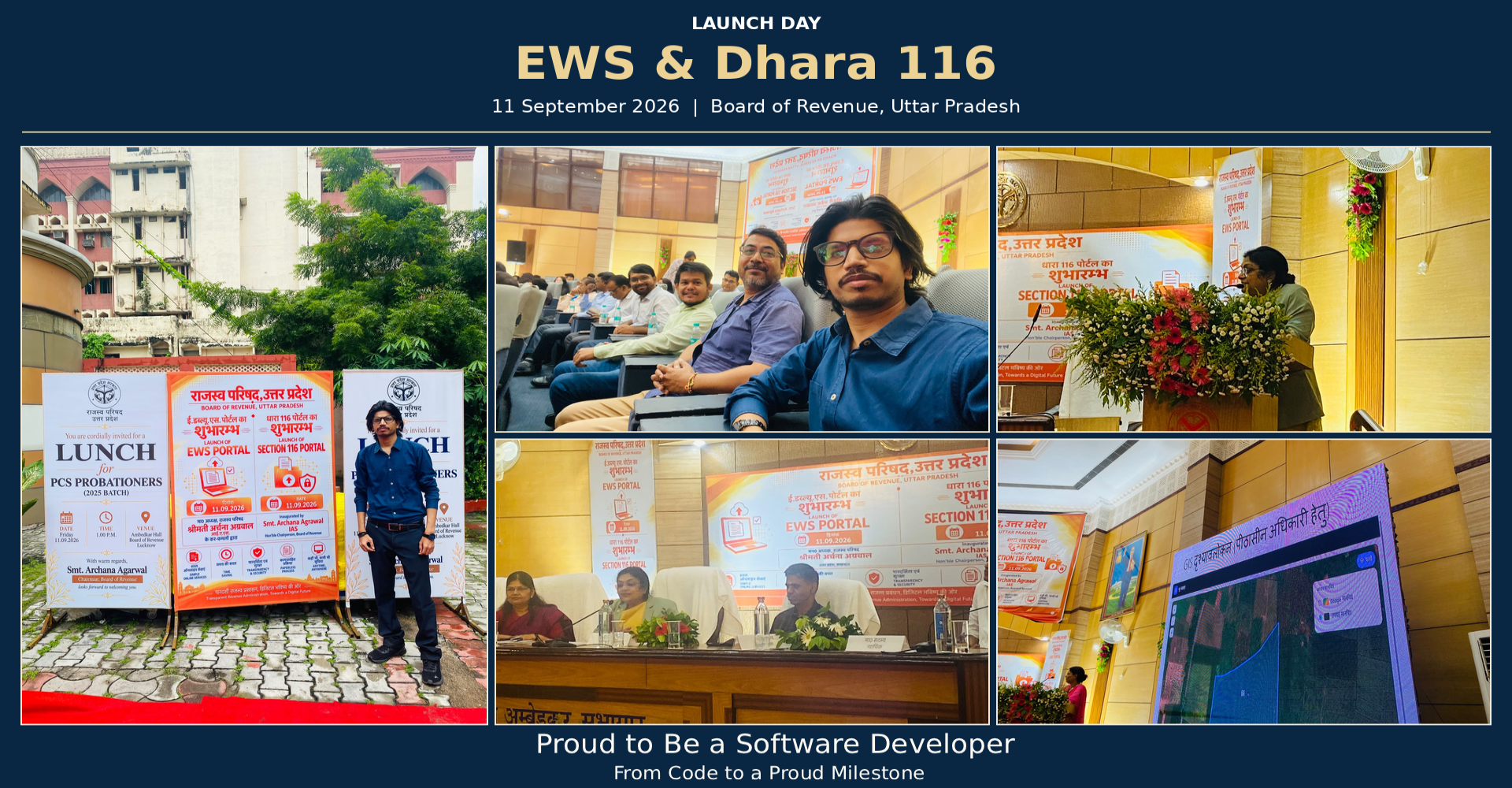
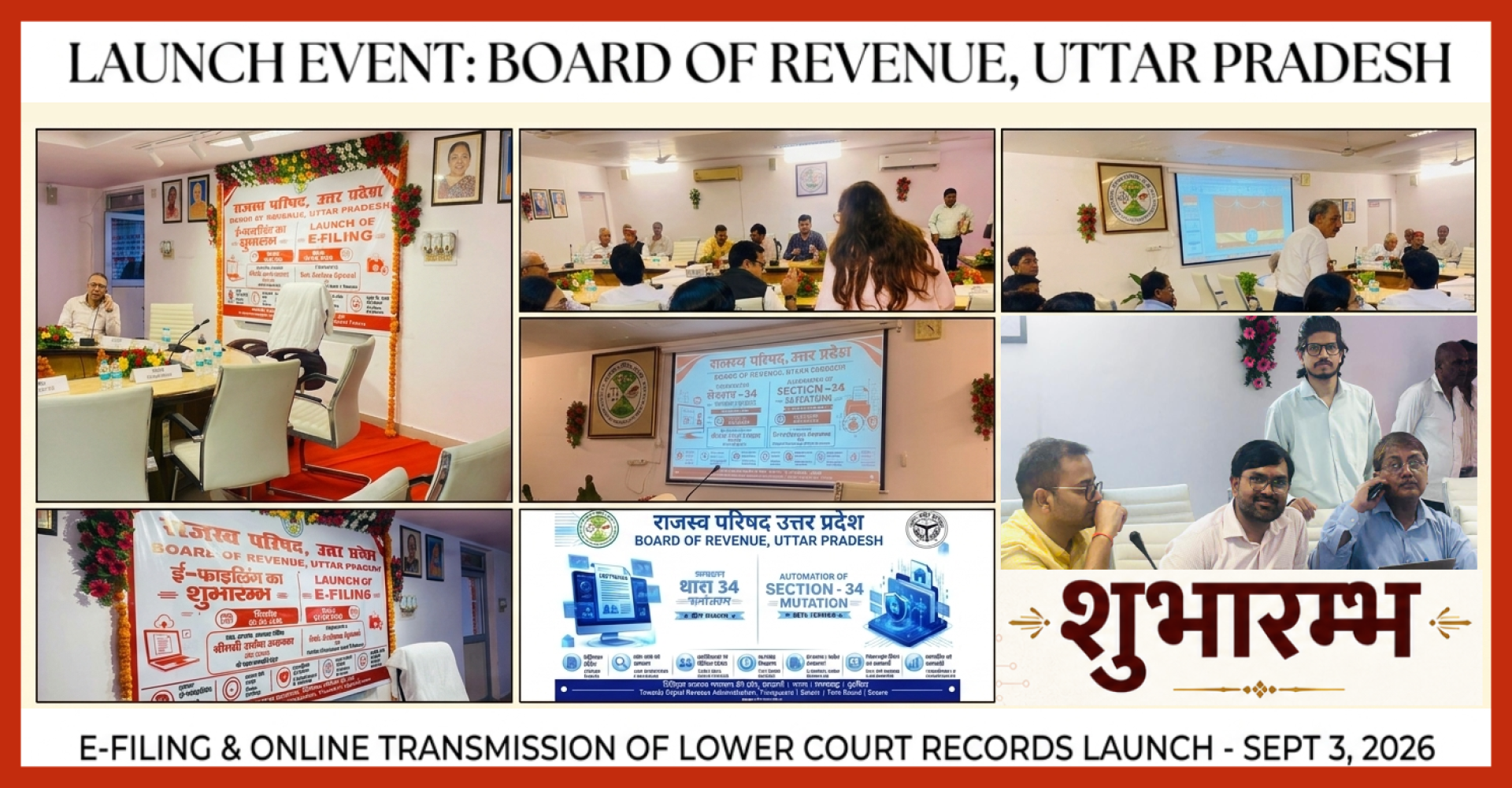
Today marks a major milestone: the official launch of the E-Filing, Section-34 Mutation, and LCR systems for the Board of Revenue, Uttar Pradesh. Having worked closely on these projects as part of the core development team, I wanted to pull back the curtain on the vision, architecture, and engineering challenges that went into bringing these initiatives to life.
1. Introduction & Project Overview
For decades, land revenue administration and mutation processes involved physical paperwork, protracted physical queues, and heavy manual intervention at the tehsil level. The rollout of these systems represents a massive stride toward a paperless, transparent, and citizen-centric digital workflow.
Our primary objective was clear: eliminate administrative bottlenecks, drastically reduce resolution times, and introduce end-to-end digital tracking for public land records. Going live with the portals today is the culmination of months of rigorous engineering, security audits, and cross-functional collaboration.
2. Core Features & Architecture
Designing software for enterprise-grade government portals requires balancing complex legal frameworks with seamless user experience. Here is a look at what we built into the core architecture:
-
Automation of Section-34 (Mutation Processes): Streamlined end-to-end mutation workflows, incorporating digital modules for legal heir successions, will-based claims, and automated document verification against pre-existing land registries.
-
Comprehensive E-Filing Capabilities: Enabled advocates and citizens to securely submit applications, legal documents, and evidence from anywhere, doing away with the necessity of physical presence for initial filings.
-
LCR Integration & Real-Time Tracking: Integrated automated verification pipelines and tehsil-level digital dashboards so stakeholders can track the exact status of their cases in real-time, injecting total transparency into the lifecycle of a dispute or application.
3. Development Insights & Engineering Impact
Building software that serves a state as populous as Uttar Pradesh comes with unique engineering hurdles.
-
Handling High Concurrency & Data Integrity: Public portals experience massive spikes in traffic. We focused heavily on optimizing database transactions (using robust locking strategies and query tuning) to prevent race conditions during concurrent land updates.
-
Security & Compliance: Because we were handling sensitive public sector workflows and legal data, robust encryption, role-based access control (RBAC), and immutable audit logs were baked into the system architecture from day one.
-
Citizen & Administrative Impact: Seeing the platform go live is rewarding, but knowing that it translates to reduced physical paperwork, lower corruption vectors, and time-bound disposal of property disputes for millions of citizens makes the late-night debugging sessions entirely worthwhile.
Looking Ahead
The release of these systems today is just the beginning. As we monitor telemetry, gather user feedback from tehsil officers and advocates, and scale our infrastructure, we are laying down the foundation for an entirely digitized revenue ecosystem in Uttar Pradesh.
What are your thoughts on the intersection of modern web engineering and public sector digital transformation? I’d love to hear your experiences in the comments below!